New Delhi: The recent terrorist attack on a Central Reserve Police Force (CRPF) checkpoint in the Akhran area of Mir Bazar in Jammu and Kashmir’s Kulgam district has once again raised concerns over cross-border terrorism and security challenges in the Valley.
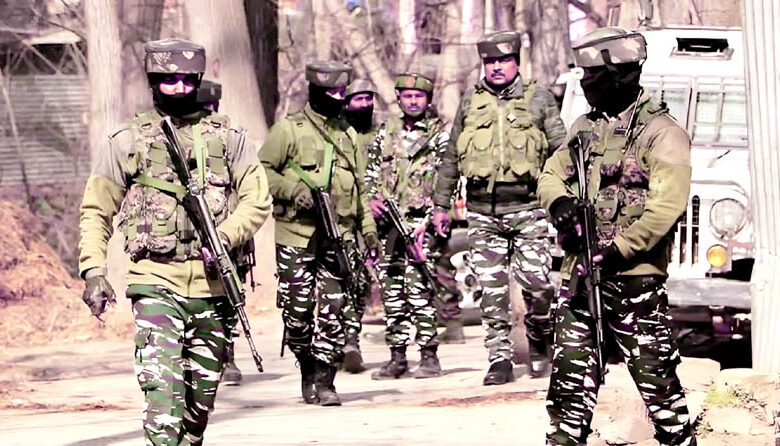
According to reports, motorcycle-borne assailants opened fire on the checkpoint, firing around 30 rounds within 15 seconds. Three personnel of the CRPF’s 46th Battalion were injured in the attack but retaliated, forcing the attackers to flee.

The incident took place on a day when Jammu and Kashmir Lieutenant Governor Manoj Sinha was scheduled to attend a programme in Kulgam, raising concerns about a possible attempt to disrupt security arrangements and create fear among residents and visitors.
The attack has also renewed questions about Pakistan-based militant networks and their efforts to disturb peace in the region.
Over the past few years, Jammu and Kashmir has witnessed changes in its security and development environment following the abrogation of Article 370. Increased tourism, infrastructure development and greater participation of young people in mainstream activities have altered the situation in several parts of the Valley. Security analysts believe that attempts by militant groups to carry out sudden attacks may be intended to undermine these gains.
Pakistan, meanwhile, continues to face serious internal challenges, including economic difficulties, political instability and growing security concerns. Balochistan has witnessed continuing insurgent activity, while the Tehreek-e-Taliban Pakistan remains a security challenge in Khyber Pakhtunkhwa and adjoining tribal areas. Protests in Pakistan-occupied Kashmir over electricity, food prices and basic rights have also exposed public dissatisfaction with the administration.
Against this backdrop, the article argues that Pakistan’s military establishment continues to use hostility towards India as a political instrument to divert attention from domestic problems.


India has previously demonstrated its willingness to respond militarily to major terrorist attacks through the surgical strikes following the Uri attack and the Balakot airstrike after the Pulwama suicide bombing.
The latest incident has strengthened calls for a broader counter-terrorism strategy combining intelligence gathering, diplomatic pressure and effective security operations. Particular attention is being drawn to the suspected role of local support networks, overground workers and sleeper cells that may assist militant groups.
Strengthening intelligence coordination, identifying individuals involved in facilitating terrorist activities and taking action within the framework of law remain important aspects of preventing future attacks.
The central challenge for Indian security agencies is to ensure that militant groups and their support networks cannot undermine the relative peace and development achieved in Jammu and Kashmir.
The Kulgam attack is another reminder that sustained vigilance and coordinated action are necessary to protect security personnel and civilians while preventing cross-border terrorism from destabilising the region.












 https://www.youtube.com/watch?si=RtToJsBhYBatUrym&v=mOuYNSdhjHA&feature=youtu.be